📷 Image: Wikimedia Commons
Royal Commission on the Ancient and Historical Monuments of Wales
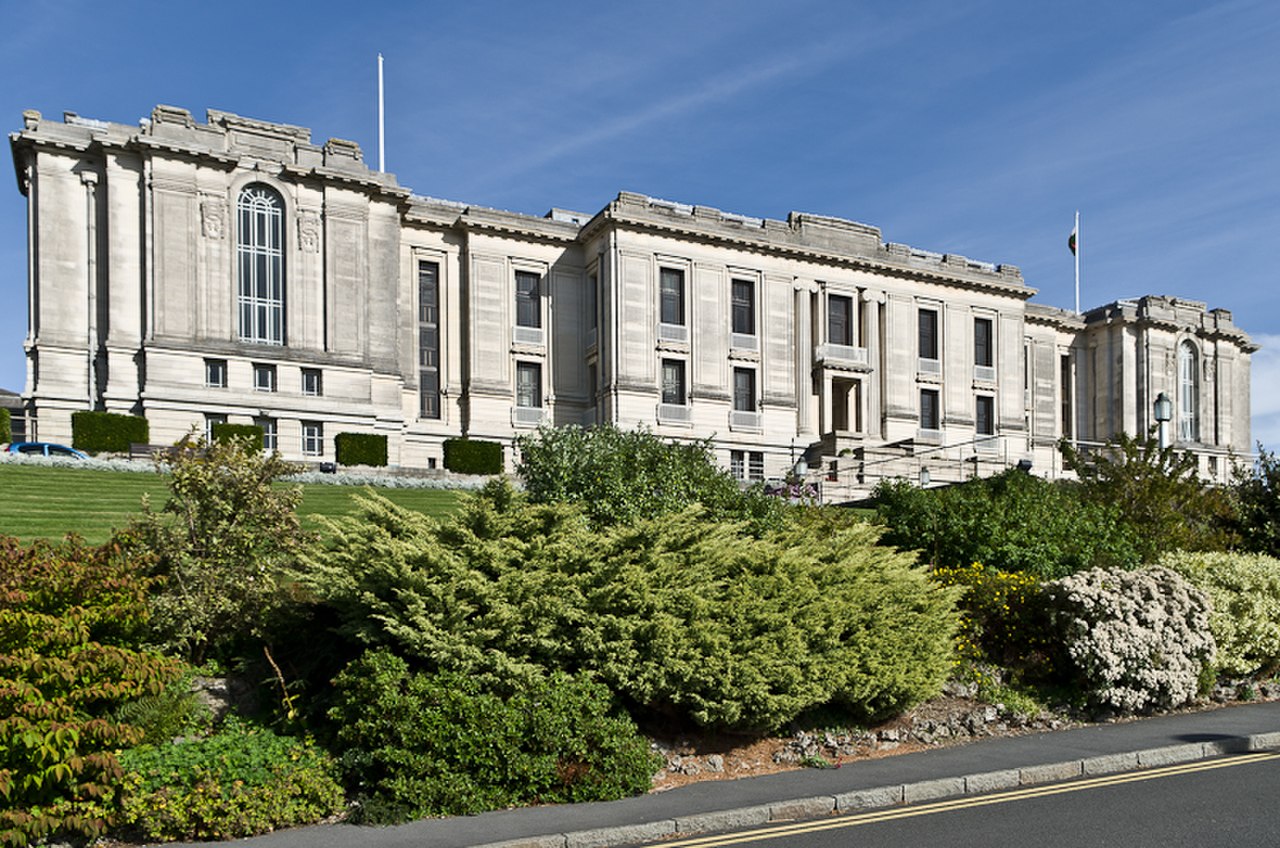
The Royal Commission on the Ancient and Historical Monuments of Wales stands in Aberystwyth, Ceredigion. It is a government body set up in 1908 to record and protect the country’s archaeological, architectural and maritime heritage. Its main task is to run the National Monuments Record of Wales, an archive that holds detailed information on every known historic site. The commission also publishes inventories of monuments and promotes public understanding of Wales’s past. Its online platform, Coflein, makes this information freely available to researchers and the public. Professor Nancy Edwards chairs the group of commissioners who oversee its work. Partnerships with Cadw and the Welsh Archaeological Trusts help the commission carry out its duties. The commission’s origins lie in the Ancient Monuments Protection Act of 1882. This law encouraged owners to safeguard important prehistoric sites and discouraged damage by imposing penalties. The first list of protected monuments included only three sites in Wales: Plas Newydd megalith in Anglesey, Arthur’s Quoit in Gower and the megalith at Pentre Ifan in Pembrokeshire. By 1908 the need for a full survey became clear. King Edward VII authorised a Royal Commission to create an inventory of every ancient and historical monument in Wales and Monmouthshire. The early commissioners were leading figures in Welsh cultural life, including Sir John Rhŷs, Sir Vincent Evans and Robert Carr Bosanquet. Visitors to the commission’s offices in Aberystwyth find a working archive rather than a museum. Researchers can consult the National Monuments Record, which holds maps, photographs and detailed reports on thousands of sites. The commission’s library contains historic volumes such as the first inventories for Montgomeryshire, Flintshire, Radnorshire and Denbighshire. Staff continue to update the records as new discoveries are made. The building itself is part of the town’s university quarter, close to the National Library of Wales. From its windows there are views over Cardigan Bay, linking the present day with the landscapes recorded in the archive.
Opening hours and admission prices change with the season and are therefore not part of this text. Current details from the operator
Nearby
- National Library of Wales29 m
- Aberystwyth290 m
- Aberystwyth University455 m
- Aberystwyth Arts Centre406 m
- Aberystwyth University Ceramics Collection421 m
- Aberystwyth University, School of Art Museum and Galleries595 m
QR-Code