📷 Image: Wikimedia Commons
Eboracum
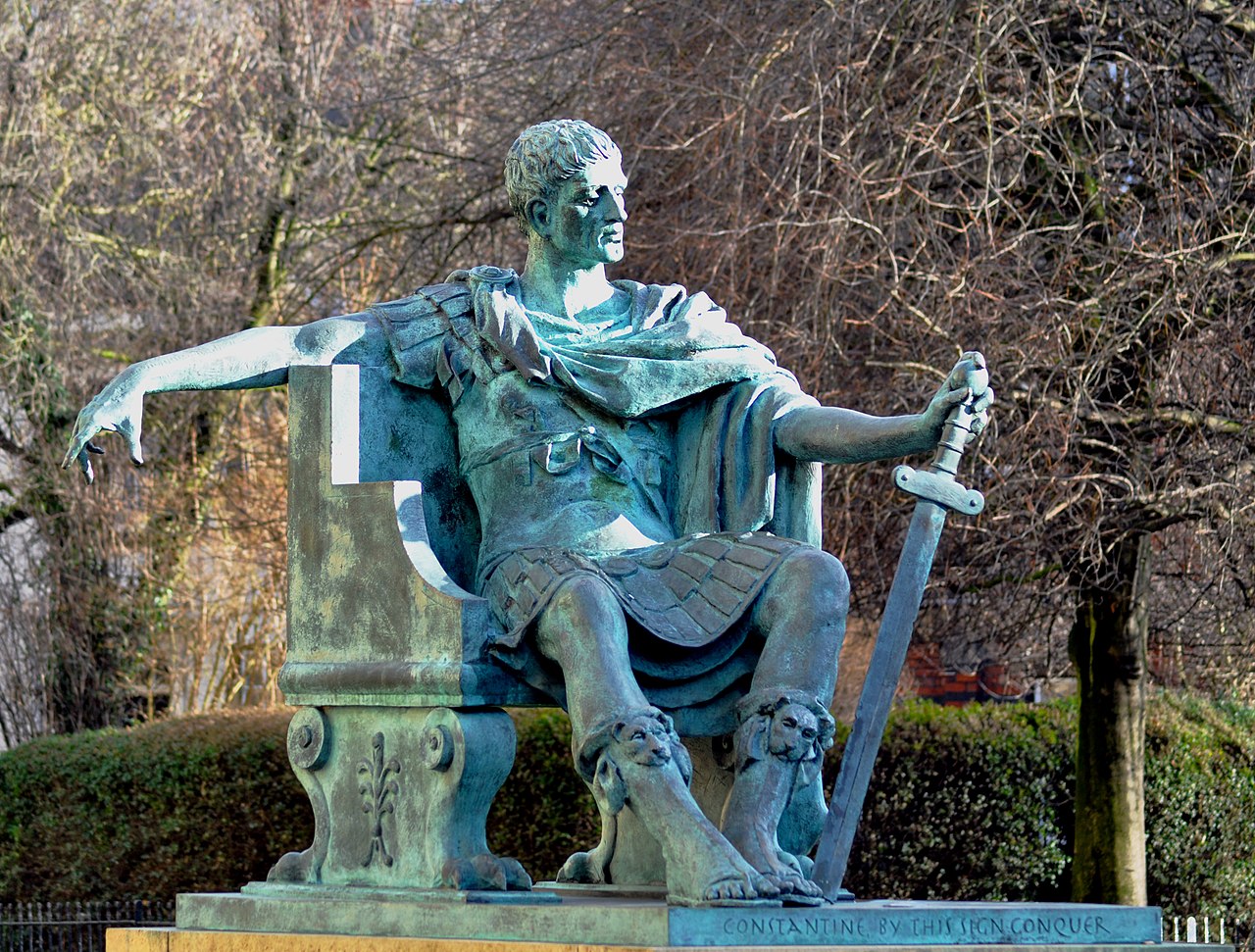
Eboracum was the Roman fortress and later city that stood where York now rises above the River Ouse. Founded in 71 AD by the Ninth Legion under General Quintus Petillius Cerialis, it became the largest town in northern Britannia and the capital of the province of Britannia Inferior. Two Roman emperors died here: Septimius Severus in 211 and Constantius Chlorus in 306. The name Eboracum comes from the Common Brittonic word meaning ‘yew-tree place’, though scholars still debate the exact meaning. The fortress measured 474 by 403 metres and covered about 20 hectares, defended first by turf ramparts then rebuilt in stone. The site drew emperors and legions. Hadrian arrived in 122 on his way to build the northern frontier. Septimius Severus used Eboracum as his base for campaigns in Caledonia and died there in 211. His son Constantine was proclaimed emperor by the troops in 306. The Sixth and Ninth Legions garrisoned the fort, and by the 2nd century streets, public buildings and terraced houses spread across the slopes above the river. Excavations by L. P. Wenham uncovered much of the fortress layout and defences. Today visitors walk among the remains of the legionary fortress and colonia. The Multangular Tower, a polygonal corner tower built in the early 4th century, still stands near the Museum Gardens. Excavated town houses from Constantine’s reign show the prosperity of the colonia. The riverside setting and the layers of Roman stone beneath modern York streets give a sense of the city’s long history as Eboracum.
Opening hours and admission prices change with the season and are therefore not part of this text. Current details from the operator
Discover more in this region
Themes around England
All themes in England →
Nearby
- Roman shrine in York0 m
- Roman temple in York0 m
- Church of Holy Trinity75 m
- Treasurer's House, York149 m
- York Minster96 m
- St Andrew's church, St Andrewgate166 m
QR-Code