📷 Image: Wikimedia Commons
Keynsham Abbey
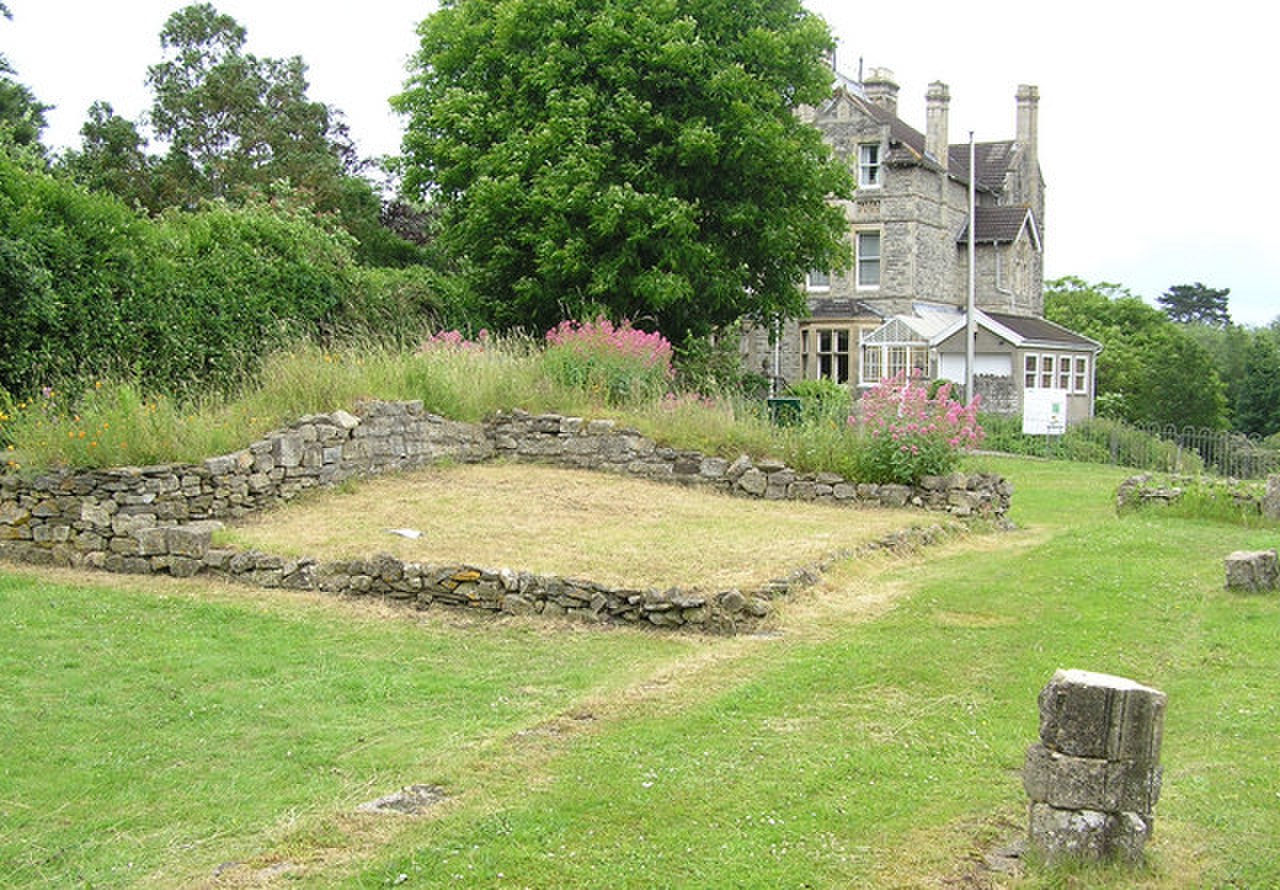
Keynsham Abbey stands in Keynsham, Somerset, beside the River Avon where it meets the River Chew. The site lies in the Keynsham Hams, a low-lying flood plain of meadows and pastures divided by hedgerows and ditches. Excavations show people lived here as early as prehistoric times, and a Roman settlement once occupied the spot. The abbey itself was built near a Roman road that later became the Bath Road linking London, Bath and Bristol. Its ruins now lie in Keynsham’s Memorial Park close to the A4 and the railway station. The abbey was founded in 1166 by William, Earl of Gloucester, after his son’s death. It housed Augustinian canons following the rule of Saint Victor, so its leader was called an abbot. At its height the abbey controlled 24,520 acres across many parishes and owned several churches and chapels. King Edward I stayed at the abbey in 1276 while travelling from Bath to Bristol. The canons once kept hunting dogs and neglected their duties, drawing repeated criticism from bishops in the 14th and 15th centuries. Visitors to Memorial Park can see scattered remains of the abbey amid grass and trees. Archaeologists uncovered a medieval fipple flute during roadwork in the 1960s. The site is protected as a Grade I listed building and a Scheduled Ancient Monument. Jasper Tudor, Duke of Bedford, was buried here in 1495 after dying at Thornbury Castle. The visible stones and earthworks mark where the church, cloister and other buildings once stood before they were dismantled after the Dissolution.
Opening hours and admission prices change with the season and are therefore not part of this text. Current details from the operator
Discover more in this region
Themes around England
All themes in England →
Nearby
- The Abbey17 m
- Church of St John the Baptist, Keynsham162 m
- Keynsham424 m
- Roman villa of Somerdale599 m
- Roman shrine in Somerdale, Keynsham622 m
- Roman Settlement at Keynsham Hams, former Cadbury's Factory622 m
QR-Code