Landmarks · Lich
Arnsburg Abbey

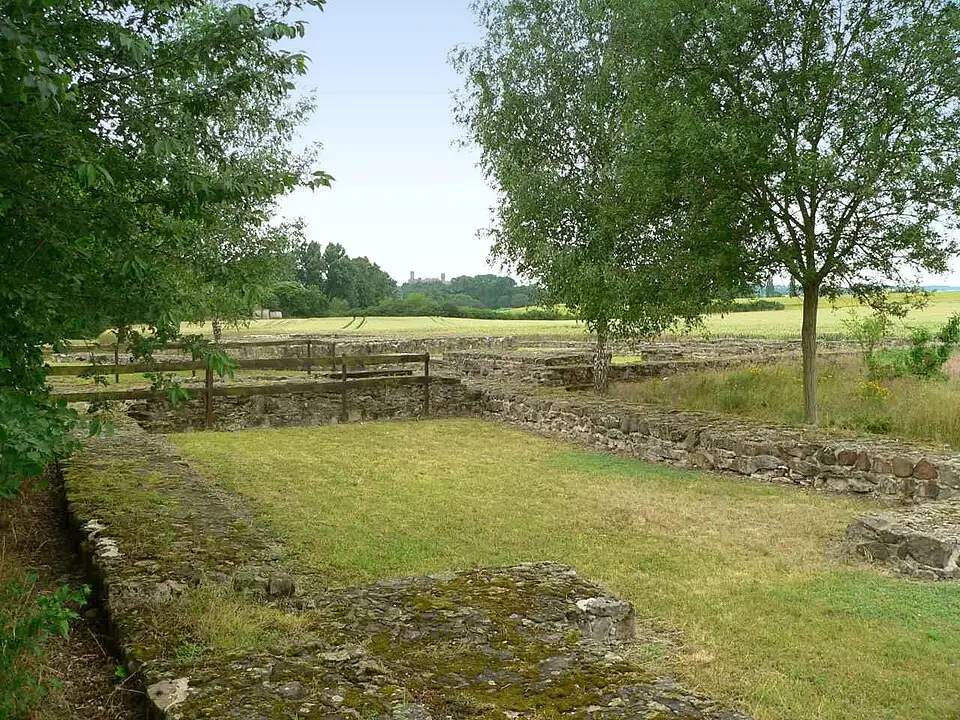
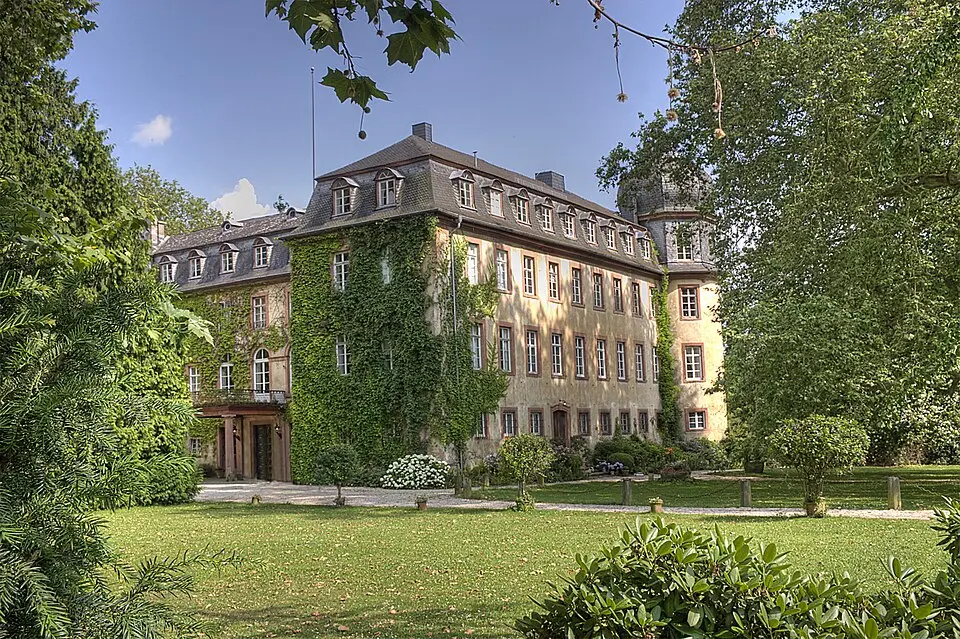
Arnsburg Abbey stands beside the Wetter river in the Wetterau region of Hesse. It began in 1174 when Cistercian monks from Eberbach arrived to build a new monastery on land given by Kuno I von Münzenberg. Earlier, a Roman fort had occupied the site in the 1st century, garrisoning about 500 soldiers until the 3rd century. Later, medieval castles rose nearby before the monks took over the ruins for building stone. By the 18th century the abbey had grown prosperous and was rebuilt in Baroque style. In 1803 it was secularised and passed to the Counts of Solms-Laubach, who still own much of the complex today.
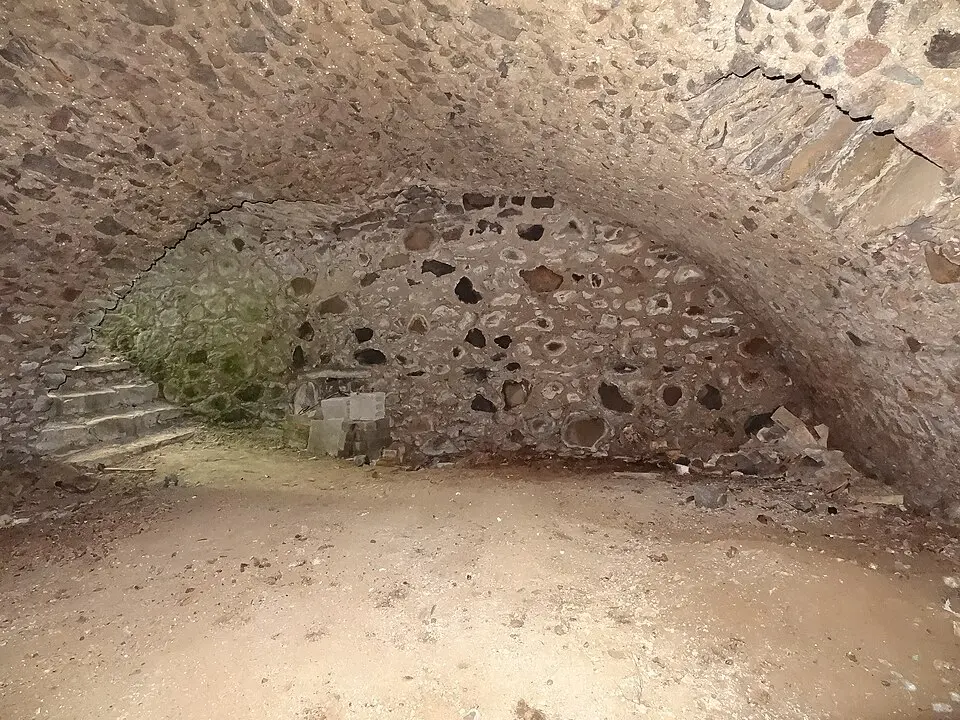
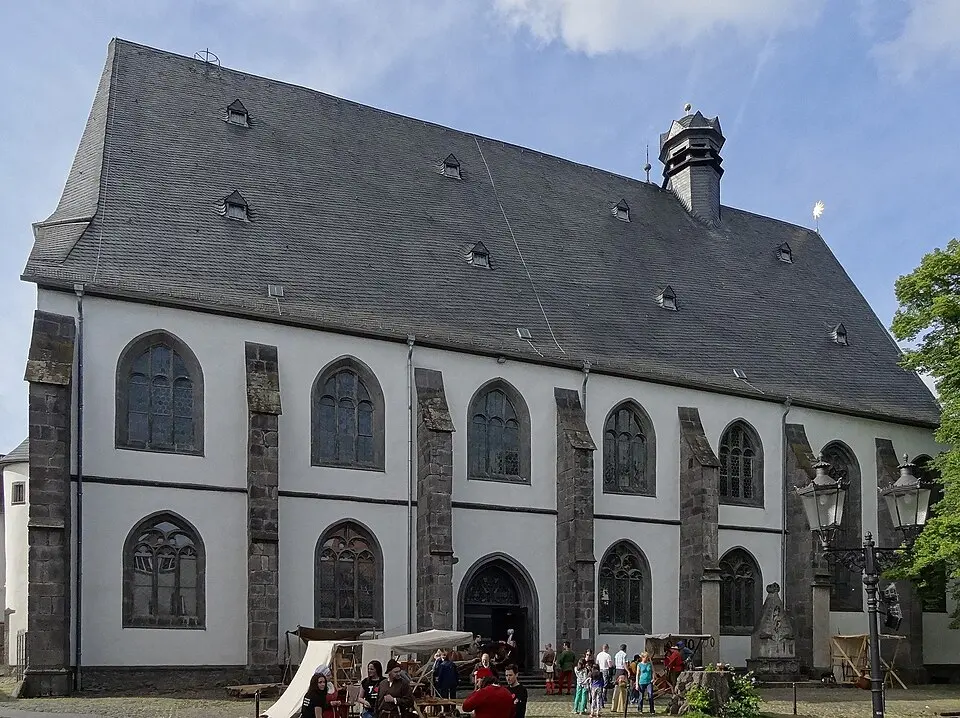
The abbey is worth visiting for the layers of its past that remain visible. The roofless church ruin shows the scale of the medieval Cistercian church, consecrated in 1246, while Baroque outbuildings survive intact. Beneath the nave lie remnants of the Roman praetorium, uncovered in the 19th century. Since 1960 the site has also housed a war memorial with graves of German soldiers and Soviet, Polish and Romanian prisoners, alongside 87 people shot by the SS in 1945. These contrasts make Arnsburg a place where history is still being read from the stones.
Visitors walk among the church’s Gothic arches and the surrounding Baroque wings that once housed the monks’ daily life. The Wetter flows past the southern edge, adding to the quiet atmosphere. Excavations have revealed the outline of the Roman fort’s walls and towers, and the abbey’s own medieval layout can be traced in the grass. The Counts’ private residence occupies part of the complex, blending modern use with centuries of change. The site remains open in parts, letting the past speak directly to anyone who walks its paths.
Sources (1)
- Arnsburg Abbey (Wikipedia) (CC BY-SA 4.0, adapted)
Nearby