Museums · Berlin
Staatliche Museen zu Berlin

The Staatliche Museen zu Berlin is a group of seventeen museums spread across five clusters in Berlin. The central complex on Museum Island is the most famous, recognised as a UNESCO World Heritage Site since 1999. King Friedrich Wilhelm III founded the museums in 1823 as the Königliche Museen. Today, they form the largest museum complex in Europe. The Prussian Cultural Heritage Foundation oversees the institutions, with funding from the German government and federal states. Floretine Dietrich serves as the director-general of the Staatliche Museen zu Berlin.
Museum Island alone houses five major museums, each specialising in different eras and art forms. The Altes Museum displays Greek and Roman antiquities, while the Alte Nationalgalerie focuses on 19th-century sculptures and paintings. The Bode Museum combines a numismatic collection with sculpture and Byzantine art. The Neues Museum holds the Egyptian Museum of Berlin and its Papyrus Collection, alongside the Museum für Vor- und Frühgeschichte. The Pergamon Museum features the Antikensammlung, Museum of Islamic Art, and the Vorderasiatisches Museum.
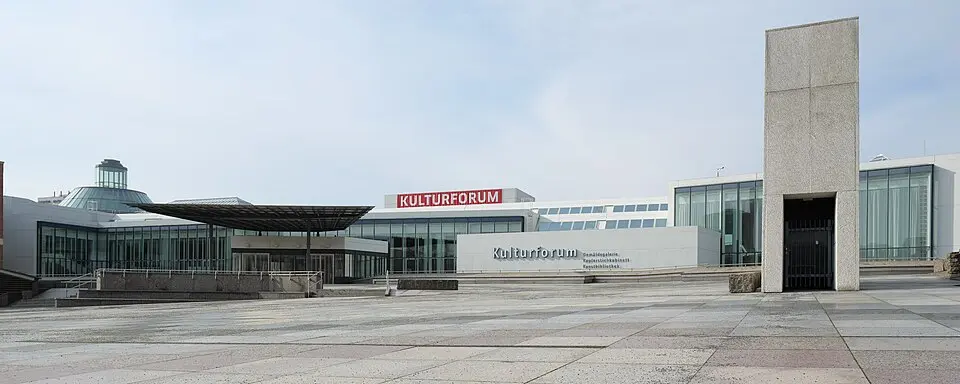
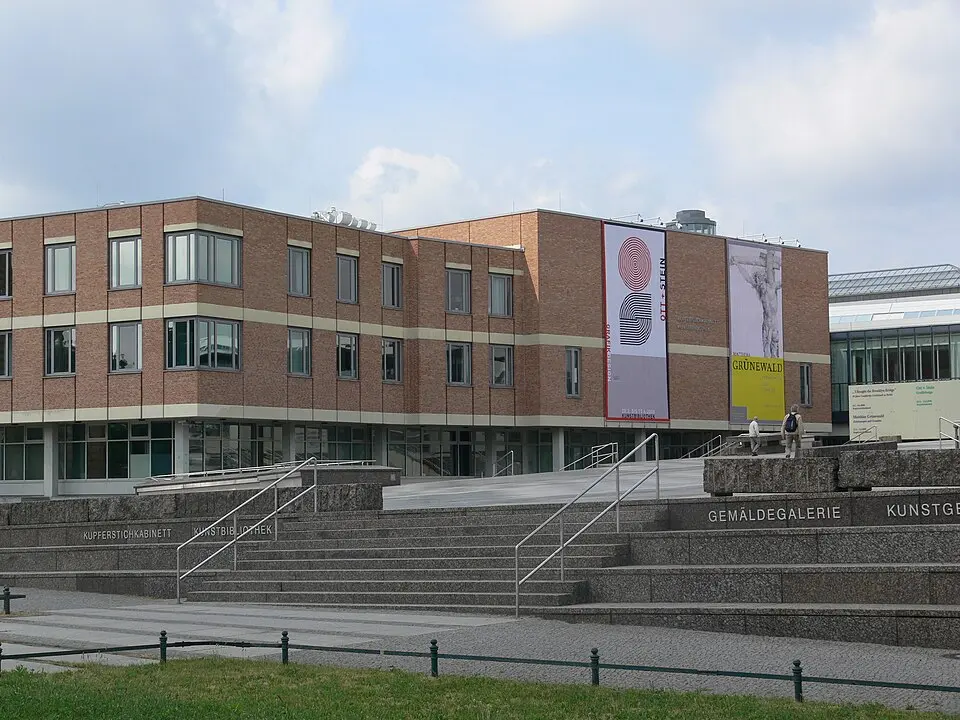
Beyond Museum Island, the Kulturforum in Tiergarten presents the Gemäldegalerie with its Old Master paintings. The Neue Nationalgalerie showcases modern art, including works from the Flick Collection at the Hamburger Bahnhof. Charlottenburg’s Museum Berggruen focuses on classic modern art, while the Museum Europäischer Kulturen in Dahlem explores European cultures. The Humboldt Forum and the James Simon Gallery serve as key reception spaces for visitors. Research institutes like the Rathgen Research Laboratory support the museums’ work.
Opening hours and admission can change with the season. Check before you go: smb.museum
Sources (1)
Nearby