📷 Image: Wikimedia Commons
Wimpole Hall
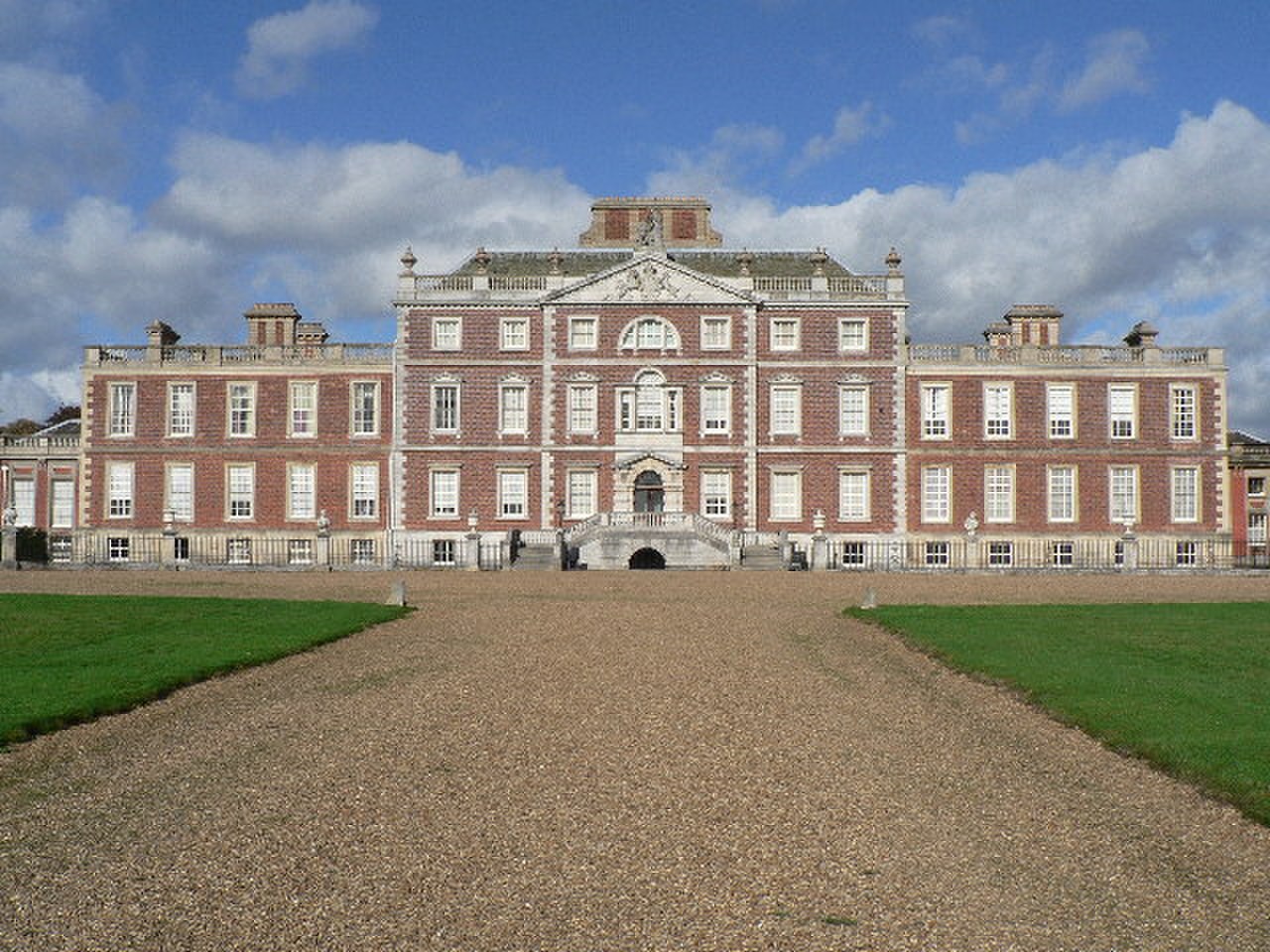
Wimpole Hall stands in open farmland nine miles southwest of Cambridge. The 17th-century country house sits at the heart of a 3,000-acre estate owned by the National Trust. Nearby Ermine Street, a Roman road, once linked the site to the wider world. The estate grew from a small deer park recorded in the Domesday Book of 1086. Three medieval villages once lay to the north and south of the park boundaries. The house has been shaped by successive owners, from the Chicheley family to the Yorke earls and finally Elsie Bambridge. The hall’s value lies in its layered history and carefully restored landscape. Capability Brown redesigned the grounds in the 1760s, creating sweeping lawns and wooded belts. Sir John Soane added a plunge bath and hothouse in the 1790s. Queen Victoria and Prince Albert visited in 1843, dining with the owner and attending a ball. The estate now supports rare breeds at Home Farm and hosts regular Parkrun events. A tree-planting scheme aims to reach net carbon zero by planting 90,000 trees. Visitors walk past the formal Dutch Garden beneath the hall’s south front. The grand avenue, replanted after Dutch elm disease, stretches for two and a half miles. In the North Park stands a Gothic tower and restored lakes, while St Andrew’s church and the walled garden recall 18th-century life. Home Farm displays historic implements alongside living rare breeds. Seasonal trails and farm activities bring the estate to life throughout the year.
Opening hours and admission prices change with the season and are therefore not part of this text. Current details from the operator
Discover more in this region
Themes around England
All themes in England →
Nearby
- Bi-focal deserted medieval settlement earthworks202 m
- Arrington Bridge Romano-British site2.6 km
- Orwell Toot Hill2.9 km
- Shingay cum Wendy4.4 km
- A ringwork and bailey castle, and 17th century formal garden remains, at Bourn Hall5.3 km
- Deserted village of Clapton (site of) N of Croydon House4.1 km
QR-Code