Castles · Nittendorf
Burgstall Schönhofen

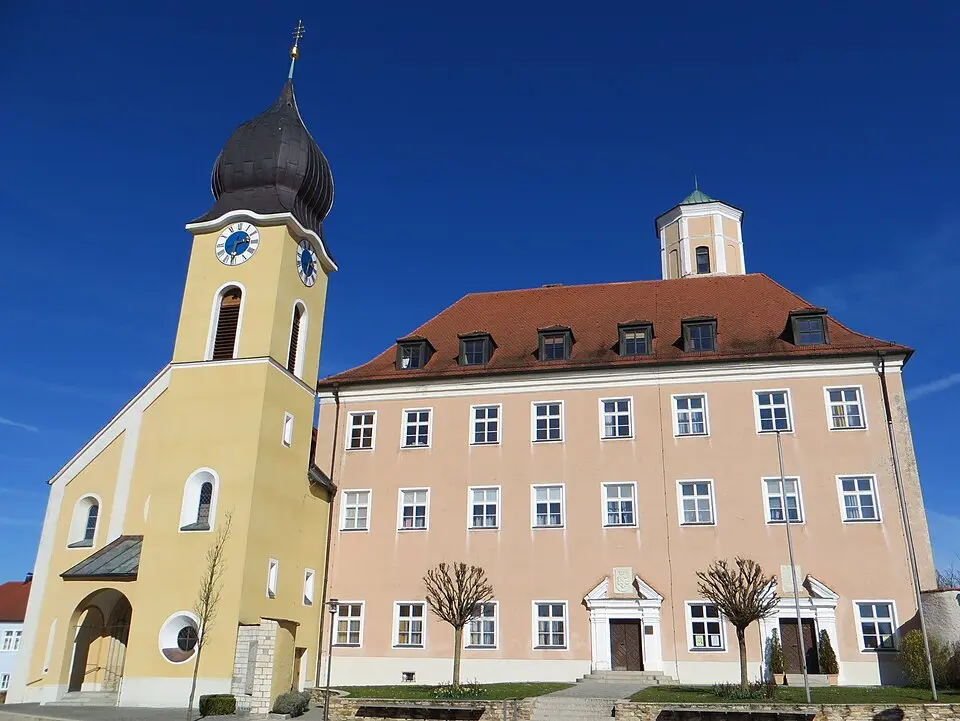
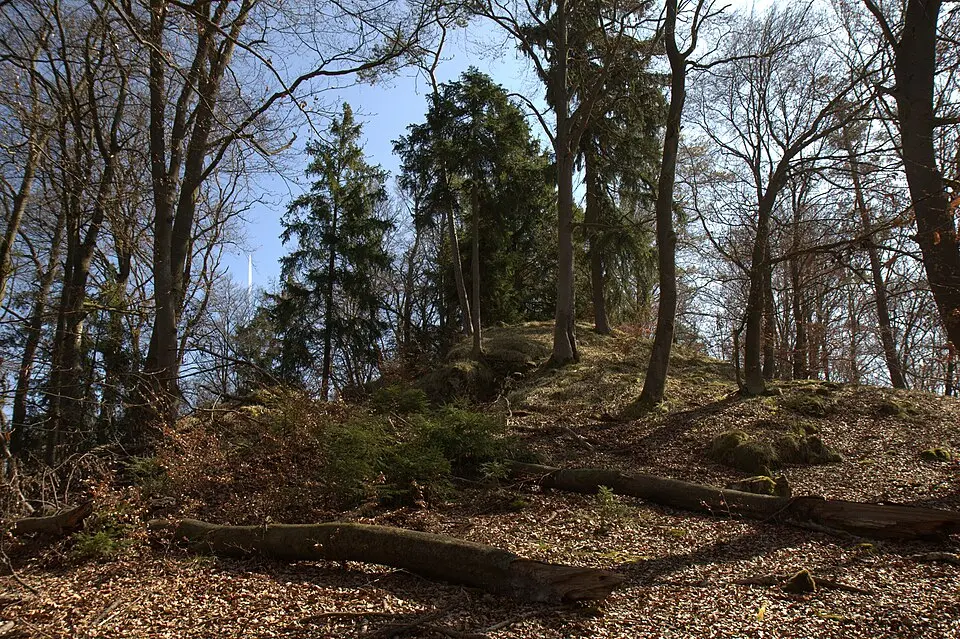
Burgstall Schönhofen stands in the centre of Schönhofen, a village that belongs to the market town of Nittendorf in the Upper Palatinate region of Bavaria. The site marks the remains of a medieval castle whose successor, the New Castle, was built in the 18th century and demolished in the 20th. Beneath the village church of St John the Baptist lie the protected rock cellars of the former estate. Both the cellars and the castle site itself are officially listed as monuments.
The castle first appears in records in the late 12th century when Bruno von Schönhofen witnessed land transfers to the monasteries of St Emmeram and Prüfening. By the 13th century the family had become regional power brokers, witnessing treaties between bishops, dukes and monasteries. After the last Schönhofen lord died in 1421, the Laber family took over the fief and later granted it to the Muggenthal family. Over the following centuries the estate passed through the hands of Regensburg citizens, noble families and government officials.
Today a walk through Schönhofen passes the church and the cellar entrance, then follows the left bank of the River Schwarze Laber to the site of the New Castle. The riverbank path shows where the hammer mill once stood beside the castle, its water power driving the ironworks until the 19th century. Later glassworks replaced the mill, their buildings still visible along the river. The village itself preserves the medieval footprint of the castle and its successors, offering quiet views of the surrounding Upper Palatinate landscape.
Opening hours and admission can change with the season. Check before you go: nittendorf.de
Sources (1)
- Burgstall Schönhofen (Wikipedia) (CC BY-SA 4.0, adapted)
Nearby