📷 Image: Wikimedia Commons
Stoke Edith House
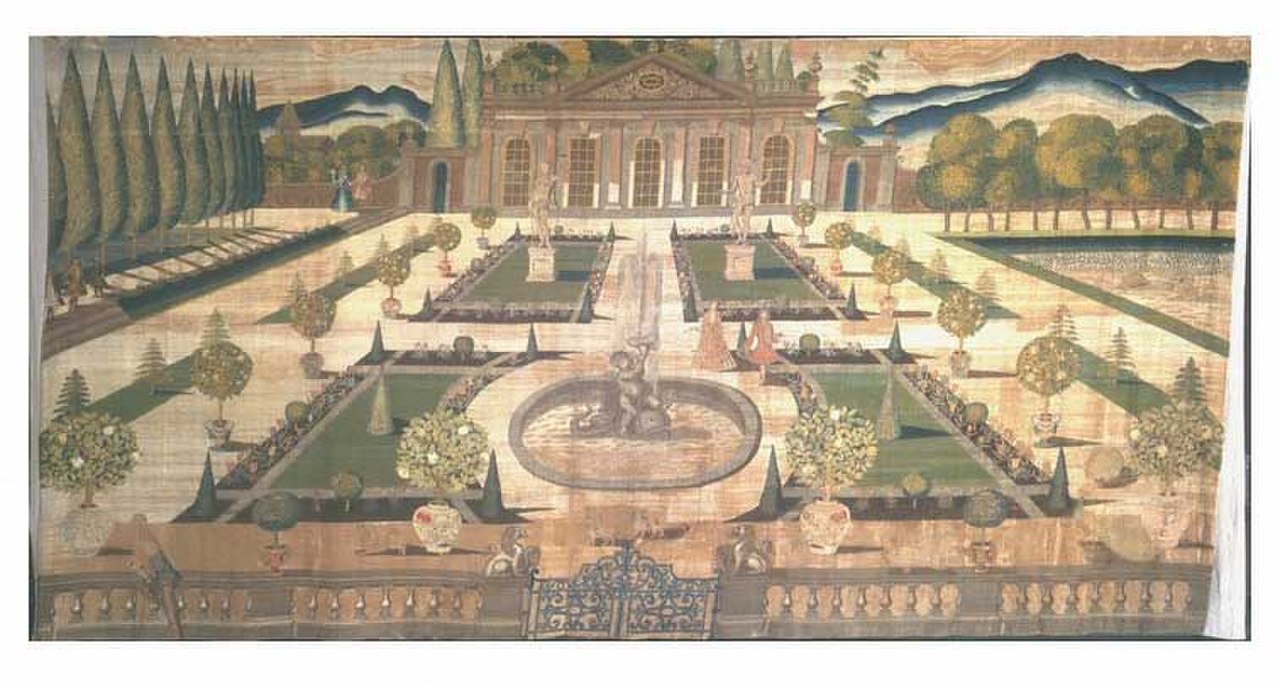
Stoke Edith House stands in Herefordshire’s rolling countryside as the roofless shell of a 17th-century quadrangular mansion. Its red-brick wings rise from formal gardens once shaped by leading designers. The estate began as an Elizabethan manor before Sir Henry Lingen’s widow sold it to ironmaster Thomas Foley in the 1670s. Paul Foley rebuilt the house between 1695 and 1698 with Williamite style, adding a state wing and embellished hall. The family lived here until the 1927 fire left only the former rectory standing. The house matters because it shows how politics and taste shaped a great estate. George London redesigned the park in 1692, while Humphry Repton improved it late in the 18th century. William Andrews Nesfield added coloured gravel walks and box-edged beds in the 1850s. Paul Henry Foley donated 136 rare books to Hereford Cathedral in 1926, and the Stoke Edith Wall Hanging now hangs in the Victoria and Albert Museum. The Grade II listed rectory remains in the Foley family’s hands. Visitors find terraced grounds within a wooded park, where Repton’s slopes meet Nesfield’s arabesque patterns. A statue of Father Time and a sundial bearing the motto ‘I count only the sunny hours’ mark the formal garden. The long vanished mansion’s wings still frame the site, and the surviving rectory stands as a quiet reminder of the family’s centuries-long presence.
Opening hours and admission prices change with the season and are therefore not part of this text. Current details from the operator
Nearby
- Lower Castle2.5 km
- Roman settlement4.1 km
- Ocle Pychard5.7 km
- Ashperton Castle3.8 km
- Common Hill6.1 km
- Lea and Pagets Wood6.3 km
QR-Code